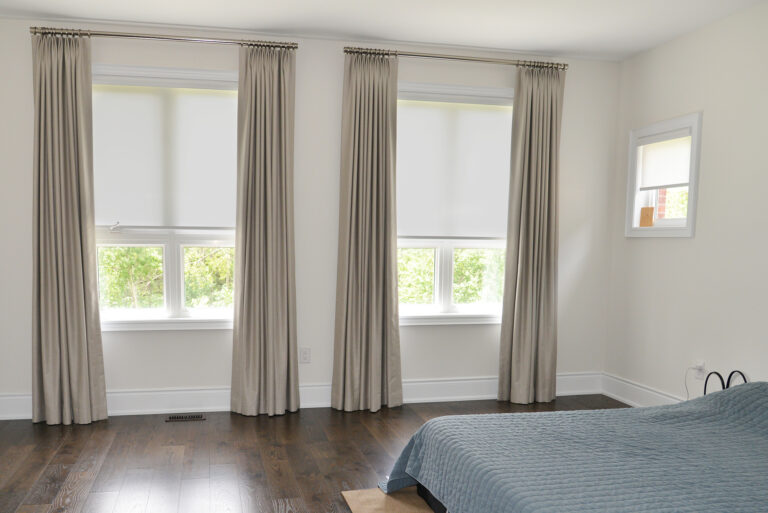
Hotel Window Treatments: Blackout Systems, Durability Specs and Brand-Standard Compliance
Why hotel blackout is a system problem, how to specify guest rooms for housekeeping, and how to phase a renovation floor by floor and pass a brand audit.

Why hotel blackout is a system problem, how to specify guest rooms for housekeeping, and how to phase a renovation floor by floor and pass a brand audit.
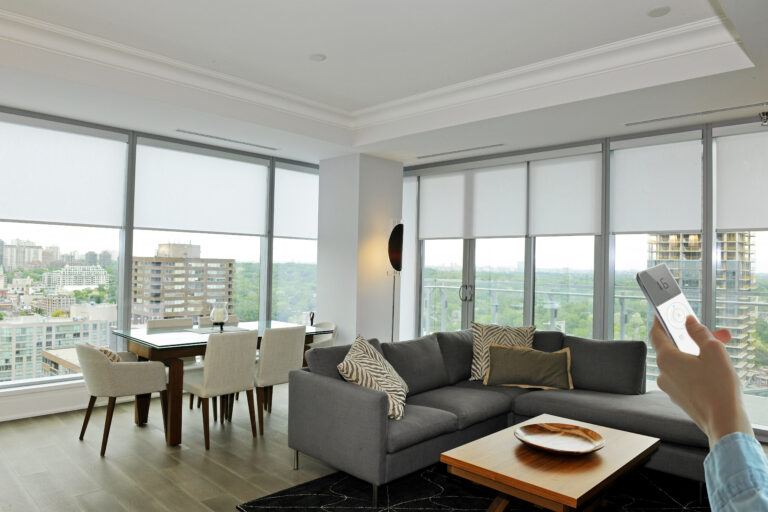
Wired, PoE or battery: how to choose a power strategy for commercial motorized shades before rough-in, with a comparison table and a design-stage coordination checklist.
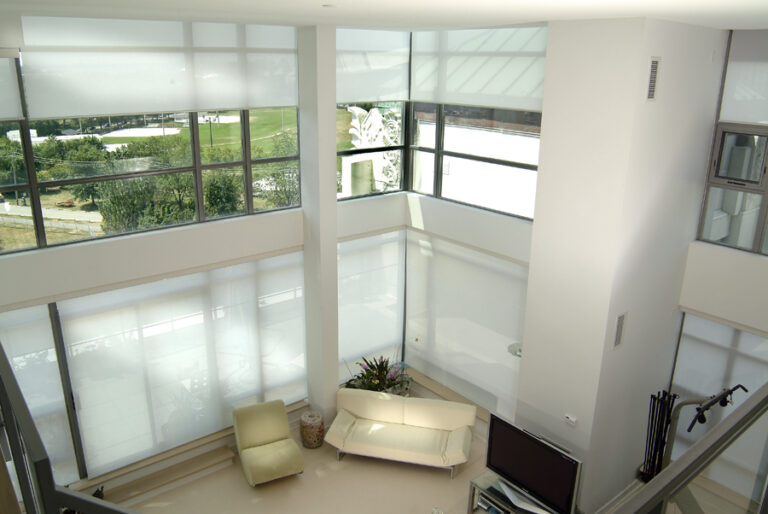
How property managers and condo boards can replace ad-hoc blind purchases with a standing program: one spec per suite type, a cord-safety strategy and suite-turn ordering.
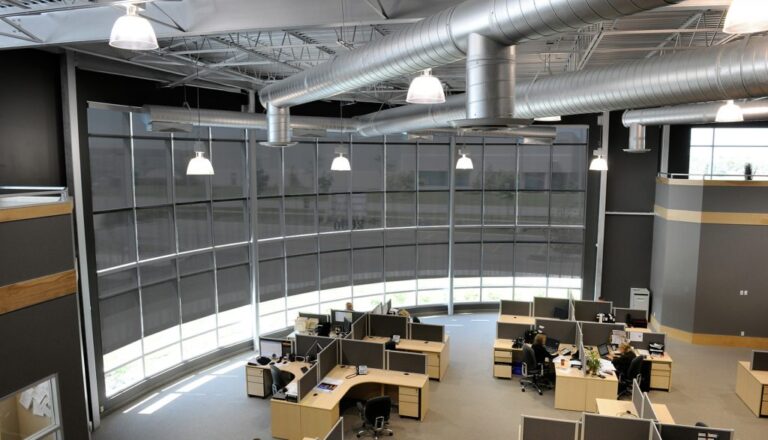
A working guide for architects and spec writers: MasterFormat structure, fabric openness factor, hardware and mounting choices, motorization coordination, and the Canadian standards a roller shade spec has to clear.

What SOR/2019-97 actually requires — the 22 cm and 44 cm limits, the labelling rules, who carries liability, and why owning a corded blind is not the same as selling one.
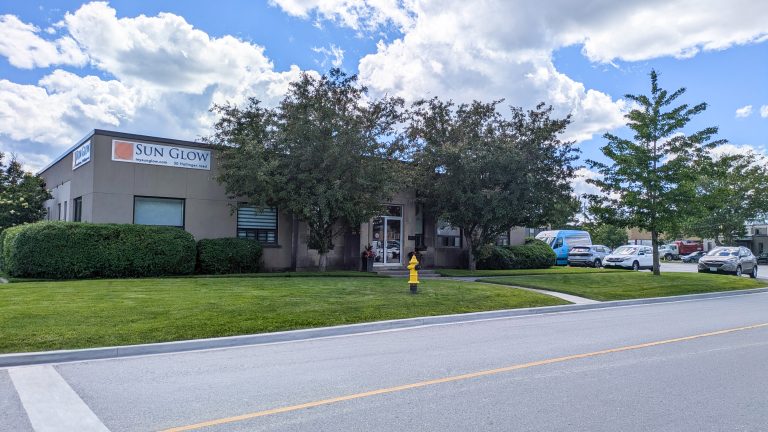
Tariff schedules that move, import lead times that compound, and origin claims that go unchecked — how professionals evaluate a Canadian manufacturing supply chain in 2026.

How private-label and white-label window shade programs actually work — branding surfaces, minimums, quality gates, warranty ownership, and what separates a domestic OEM partner from an offshore one.
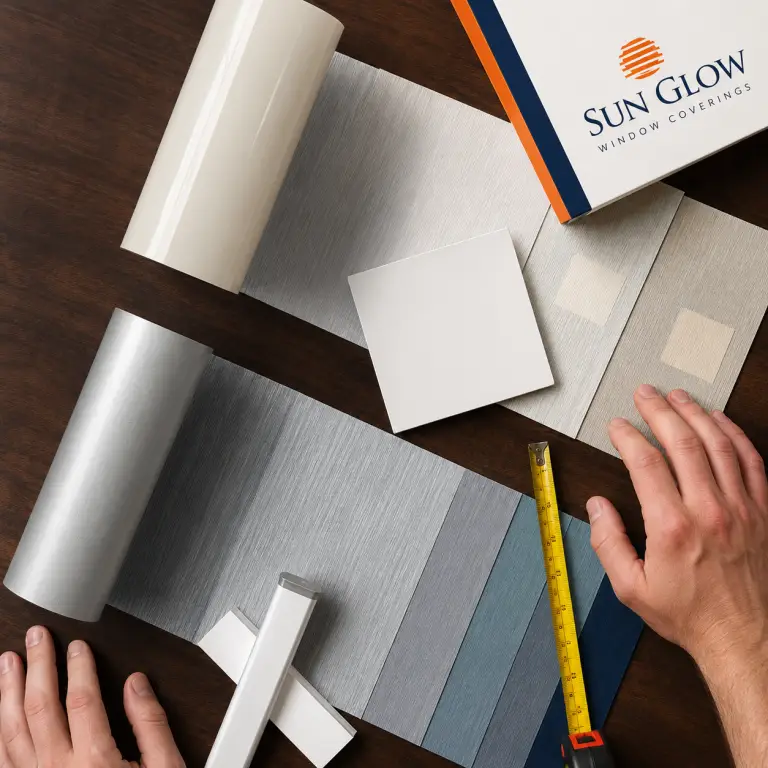
What it actually takes to launch a window covering business in Canada — models, registration and insurance, learning to measure, and a realistic month-by-month first year.

Markup isn’t margin, and the difference is where dealer profit disappears. The arithmetic behind pricing custom window treatments, plus the five leaks that drain an otherwise healthy job.